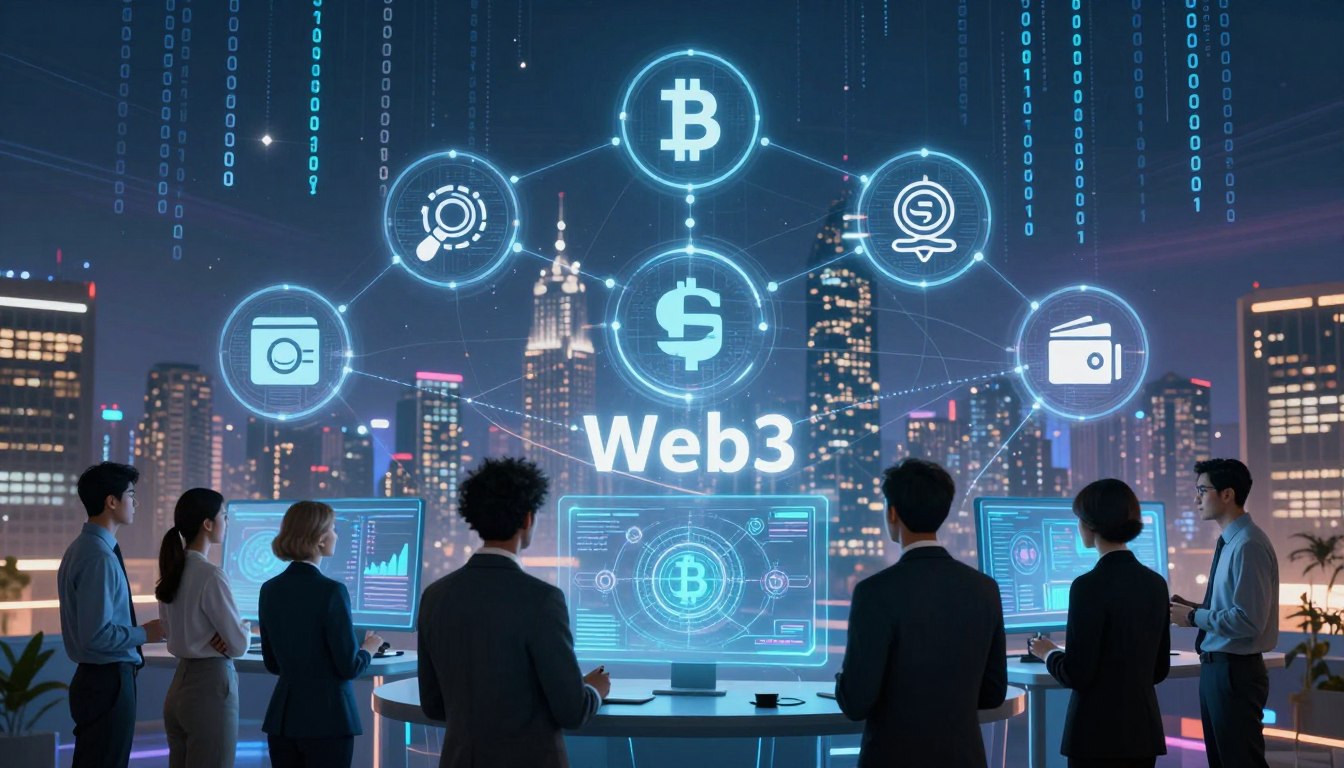
The next generation of the internet is coming, promising big changes. Decentralized networks and blockchain technology will change how we use the internet. They will give us more control over our data and online life.
Web3 Explained: Future of Internet & Crypto
This new era, called Web3, is linked to cryptocurrency and digital assets. As we move towards a more decentralized internet, the lines between the physical and digital worlds are getting blurred.
Key Takeaways
- The next generation of the internet is expected to be more decentralized.
- Blockchain technology will play a key role in shaping the future of the internet.
- Users will have more control over their data and online experiences.
- The integration of cryptocurrency and digital assets will be a key feature.
- The future of the internet will be a mix of physical and digital realities.
Understanding Web3: Evolution of the Internet
Web3 is a new chapter in the internet’s story. It builds on the early days of Web 1 and the interactive Web 2. The internet has changed a lot, affecting how we connect, work, and share info.
From Web1 to Web3: A Brief History
Web1 was all about static websites and little interaction. It was mainly for reading information.
The web made the internet more interactive. It brought social media, blogs, and content from users. But it also raised concerns about control and privacy.
Web3 is a big change towards a decentralized internet. It gives users more control over their data and identity.

Web3 Evolution
Key Principles of Web3
Web3 stands out because of its key principles:
- Decentralization: It moves away from central control, with users running the network.
- Security: Blockchain and cryptography make it safe for transactions and data.
- Interoperability: It aims for smooth use across different platforms and apps.
Decentralization: The Core of Web3
Decentralization is Web3’s main idea. It creates a network that doesn’t need trust or permission. This is done through:
| Feature | Description | Benefit |
| Blockchain Technology | A decentralized ledger that records transactions across a network of computers. | Ensures transparency and security. |
| Cryptographic Techniques | Methods used to secure data and control the creation of new units. | Protects user identity and data. |
| Peer-to-Peer Networks | Networks that allow computers to communicate directly with each other without a central server. | Promotes decentralization and resilience. |
Understanding these core aspects helps us see Web3’s big impact on the internet.
Web3 Explained: Future of Internet & Crypto
Web3 is changing how we use the internet. It combines blockchain, cryptocurrencies, and smart contracts. This new way makes the internet more open, safe, and focused on users.
Blockchain Technology and Web3
Blockchain is key to Web3. It’s a secure, shared record of transactions. This technology makes sure everything is open, safe, and trustworthy.
Key Features of Blockchain in Web3:
- Decentralized network
- Immutable ledger
- Enhanced security
- Transparent transaction history
Cryptocurrencies in the Web3 Ecosystem
Cryptocurrencies are important in Web3. They help us buy, sell, and hold value without middlemen. This fits Web3’s goal of being open and fair.
Cryptocurrencies are driving new ideas in finance and beyond, like DeFi and NFTs.
Smart Contracts and DApps
Smart contracts are like digital agreements. They make sure things happen as planned, without needing someone in the middle. DApps use these contracts to offer services like finance and social media, all on the blockchain.
Real-World Applications and Use Cases
Web3 isn’t just a dream; it’s real. For example, DApps help track goods in supply chains, keep medical records safe, and make lending easier.
Examples of Web3 Applications:
- Decentralized Finance (DeFi) platforms
- Non-Fungible Token (NFT) marketplaces
- Decentralized Social Networks
Challenges and Criticisms
Web3 has its hurdles, like growing too fast, unclear rules, and energy use. Fixing these problems is key to Web3’s growth.
Some say Web3 is too hard to understand. They think we need to learn more to see its value.
Conclusion
The internet is changing with Web3, a new, decentralized version. It uses blockchain technology to make online interactions better. This shift from Web1 to Web3 brings a more secure and open internet.
Web3 brings in cryptocurrencies and smart contracts, changing many fields. This includes finance and entertainment. Even with challenges, Web3 could make the internet fairer and more open.
It’s important to understand Web3 for everyone. By using this technology, we can find new chances and make the internet safer and clearer.
In short, Web3 is a big step for the internet’s future. Its effects will be seen in many parts of our lives. As Web3 grows, staying up-to-date and ready for these changes is key.
FAQ
What is Web3, and how does it differ from the traditional internet?
Web3 is the next step in the internet’s evolution. It’s all about decentralization, blockchain, and cryptocurrency. Unlike the old internet, Web3 is run by a network of computers, not just one big company. This means users have more control over their online world.
How does blockchain technology support Web3?
Blockchain is the heart of Web3. It’s a secure, open, and decentralized way to record things. This tech lets us build apps and smart contracts that are key to Web3.
What role do cryptocurrencies play in Web3?
Cryptocurrencies like Bitcoin and Ethereum are vital in Web3. They help with fast, safe, and open transactions. This makes it easier for Web3 apps and services to grow.
What are smart contracts, and how are they used in Web3?
Smart contracts are like digital contracts that run on their own. In Web3, they help automate things like moving money or following rules. They do this without needing someone in the middle.
What are some real-world applications of Web3?
Web3 is changing many areas, like finance, art, and social media. It offers secure, open, and community-driven options. This could really change how we do things online.
What are the challenges facing Web3, and how are they being addressed?
Web3 faces issues like growing too big, unclear rules, and getting people to use it. To fix these, developers and others are working on new solutions. They’re making Web3 faster, clearer, and easier to use.
How can I get started with Web3?
Start by learning about blockchain, cryptocurrencies, and apps. Check out platforms like Ethereum and join online groups like r/web3. This will help you keep up with Web3 and find new chances.